
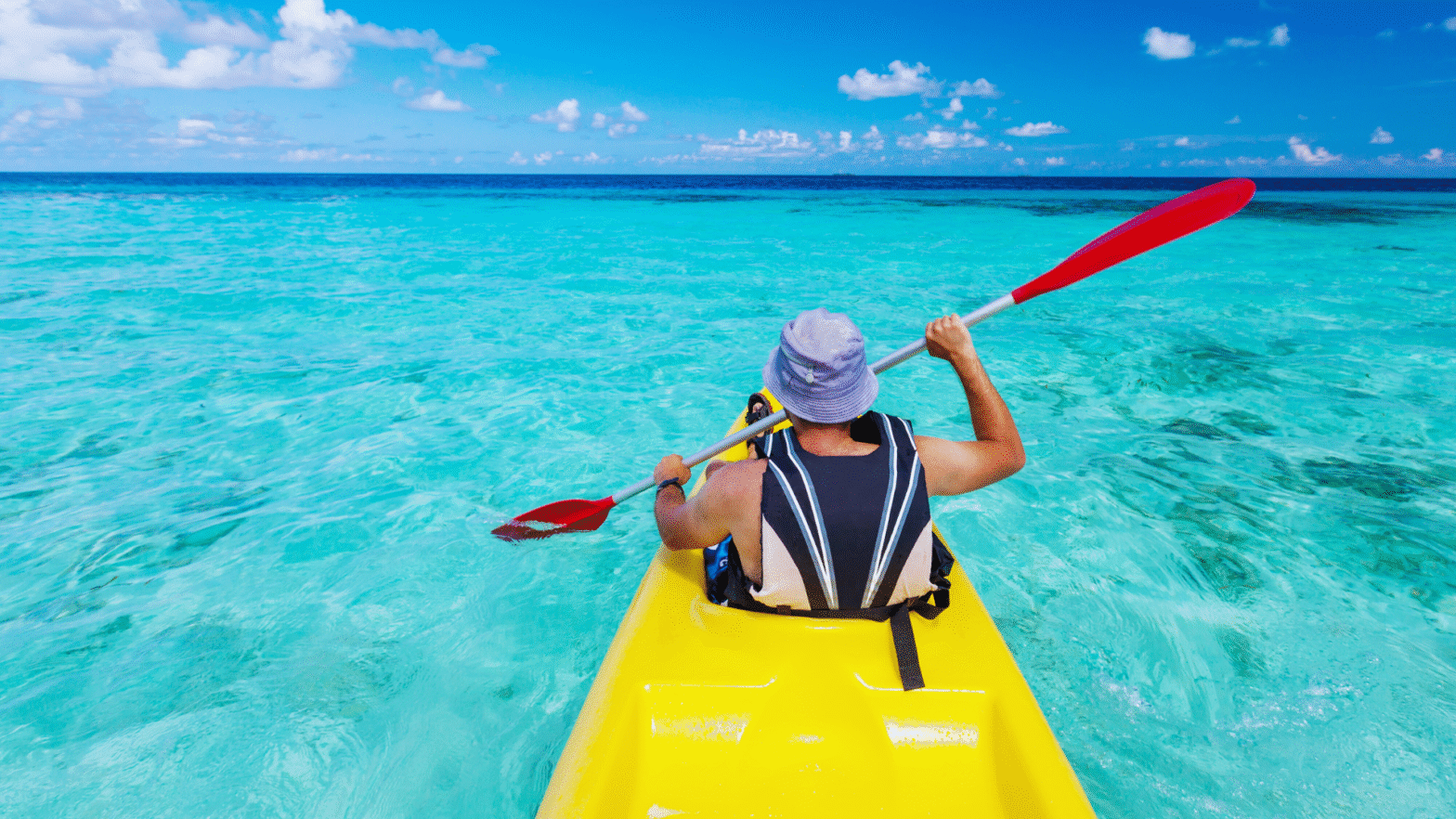
Water sports offer a thrilling way to enjoy the beach, combining excitement with natural beauty. Staying safe while participating in these activities is essential to ensure an enjoyable experience. Whether it’s surfing, kayaking, or paddleboarding, understanding beach safety tips can significantly reduce risks and enhance enjoyment.
Before hitting the water, it is crucial to take precautions. Wearing appropriate safety gear, such as life vests, is imperative, especially for those engaging in activities like jet skiing or sailing. Recognizing weather conditions, obeying local guidelines, and being aware of strong currents can empower individuals to make informed decisions.
Engaging in water sports should always prioritize safety. Familiarizing oneself with the environment and following simple beach safety tips can lead to memorable and secure outings. With the right information and preparation, adventurers can fully enjoy the thrill of the ocean while minimizing risks.
Essential Beach Water Safety Principles
Understanding the conditions of the water and adhering to safety guidelines are crucial for enjoyable and safe beach experiences. Awareness of designated swimming areas and the use of the buddy system can significantly reduce the risk of drowning incidents.
Understanding Water Conditions
Before participating in water sports, it is vital to assess water conditions. Checking for flags that indicate danger or safe swimming conditions is essential.
Key Factors to Consider:
- Rip Currents: Often found near the shore, these currents can pull swimmers away from the beach. Recognizing them is key.
- Wind and Wave Height: Strong winds and large waves can create hazardous conditions for swimmers, especially inexperienced ones.
- Tide Changes: High tide can increase the risk of strong currents. Always check local tide tables.
By keeping an eye on water conditions, individuals can gauge their swimming abilities against the environment effectively.
Swimming in Designated Areas
Swimming in marked areas where lifeguards are present enhances safety. These areas are monitored for hazards and are typically free from strong currents or rough surf.
Benefits of Designated Swimming Areas:
- Lifeguard Supervision: Trained lifeguards can quickly respond to emergencies.
- Clear Boundaries: Marked zones help swimmers stay within safe limits, reducing the likelihood of accidents.
It is also important to follow posted rules within these areas. Ignoring safety guidelines significantly increases the risk of drowning and other accidents.
Buddy System and Never Swim Alone
Using the buddy system is a crucial safety principle. Swimming with a partner ensures that assistance is available in emergencies.
Advantages of Swimming with a Buddy:
- Immediate Help: A buddy can quickly assist if a person gets into trouble.
- Enhanced Supervision: Partners can watch each other and help maintain awareness of surroundings.
Swimming alone should be avoided. Many drowning incidents occur when individuals swim without supervision. Encourage others to enroll in swim lessons for better skills and confidence in the water. This preparation can make a significant difference in risky situations.
Protective Measures for Water Sports Enthusiasts
Water sports can be both exhilarating and risky. Safety precautions are essential to ensure an enjoyable experience at the beach. This section covers critical protective measures, including the use of life jackets, sun protection strategies, and hydration practices.
Proper Use of Life Jackets
Life jackets are vital for safety in water sports such as boating and water skiing. They must be size-appropriate and properly fastened to be effective. Users should check for any damage or wear before use.
It’s important to wear a life jacket at all times while on the water. Even experienced swimmers should not underestimate their risk. Many water-related accidents occur unexpectedly, making the use of life jackets a non-negotiable precaution.
Additionally, individuals should choose jackets certified by relevant safety organizations. This ensures that the jacket meets necessary standards for buoyancy and durability.
Regular inspection and correct selection of all water gear further reduces risk, especially when activities move beyond casual swimming. For divers and snorkelers, that includes properly fitting wetsuits, well-serviced regulators and buoyancy control devices, and appropriately rated weights and fins.
Retailers that clearly label condition, size and features make it easier to find suitable equipment — for example, companies like Eastern Sports can offer a range of new and preowned scuba gear with filtering options to match individual needs. Taking time to select and test equipment in calm conditions helps ensure both safety and comfort in the water.
Sun Protection Strategies
Sun exposure poses a high risk for beachgoers engaged in water sports. To protect against sunburn and the harmful effects of UV rays, broad-spectrum sunscreen should be applied generously. A minimum SPF of 30 is recommended for effective protection.
Reapplication is crucial every two hours, or more frequently if swimming or sweating. Protective clothing, such as long-sleeve rash guards and wide-brimmed hats, can also reduce sun exposure significantly.
In addition, seeking shade during peak sunlight hours, typically between 10 AM and 4 PM, can help lower the chance of getting sunburned. Staying informed about UV index levels can also guide sun protection measures.
Hydration and Heat Safety
Dehydration and heat exhaustion are common concerns during water sports, especially on hot days. Individuals should drink water regularly, aiming for at least 8 ounces every 20-30 minutes while active.
Avoid alcohol and caffeinated beverages, as they can contribute to dehydration. Recognizing early signs of heat exhaustion, such as excessive sweating, dizziness, or fatigue, is vital for prompt action.
It’s important to monitor fluid intake before, during, and after activities. Consuming electrolyte-rich beverages can also aid in proper hydration levels. Keeping cool and resting in the shade can further help regulate body temperature and maintain overall health during water sports activities.
Emergency Preparedness and Response
Being prepared for emergencies while participating in water sports is crucial. Knowing how to recognize signs of distress and how to respond can save lives. It is also essential to be familiar with basic first aid practices and lifesaving skills.
Recognizing and Responding to Drowning
Drowning can happen quickly and silently. Signs of drowning include:
- Distressed swimming: A swimmer may call out for help or wave for assistance.
- Inability to keep the head above water: They may alternate between swimming and sinking.
- Unresponsiveness: The individual may be motionless or unresponsive in the water.
If witnessing someone in distress, activate emergency services immediately. For lifeguards on duty, signaling them is vital. In certain cases, throwing a flotation device can assist without entering the water. However, never attempt a rescue unless trained, as this can endanger the rescuer.
Basic First Aid for Beach Injuries
Injuries at the beach can range from cuts and bruises to jellyfish stings.
- Cuts and Scrapes:
- Clean the area with fresh water.
- Apply an antiseptic and cover with a sterile bandage.
- Jellyfish Stings:
- Rinse the sting area with vinegar to neutralize venom.
- Remove any tentacles with tweezers.
- Immerse the sting site in hot water for pain relief.
- Sunburn:
- Apply aloe vera or moisturizing lotion.
- Stay hydrated and avoid further sun exposure.
Keep a well-stocked first aid kit close by, which includes band-aids, antiseptic wipes, and vinegar for jellyfish stings.
CPR and Lifesaving Skills
Knowing CPR can be life-saving in emergencies. Key steps include:
- Call for Help: Ensure emergency services are alerted.
- Check Responsiveness: Gently shake the individual and shout.
- Provide Chest Compressions: Use the heel of one hand on the center of the chest, interlocking fingers on top. Push down hard and fast, at a rate of 100-120 compressions per minute.
- Rescue Breaths: After 30 compressions, give 2 rescue breaths if trained to do so.
Participants can benefit from swim lessons that also cover rescue techniques. Regular practice of these skills ensures readiness in real-life scenarios.