
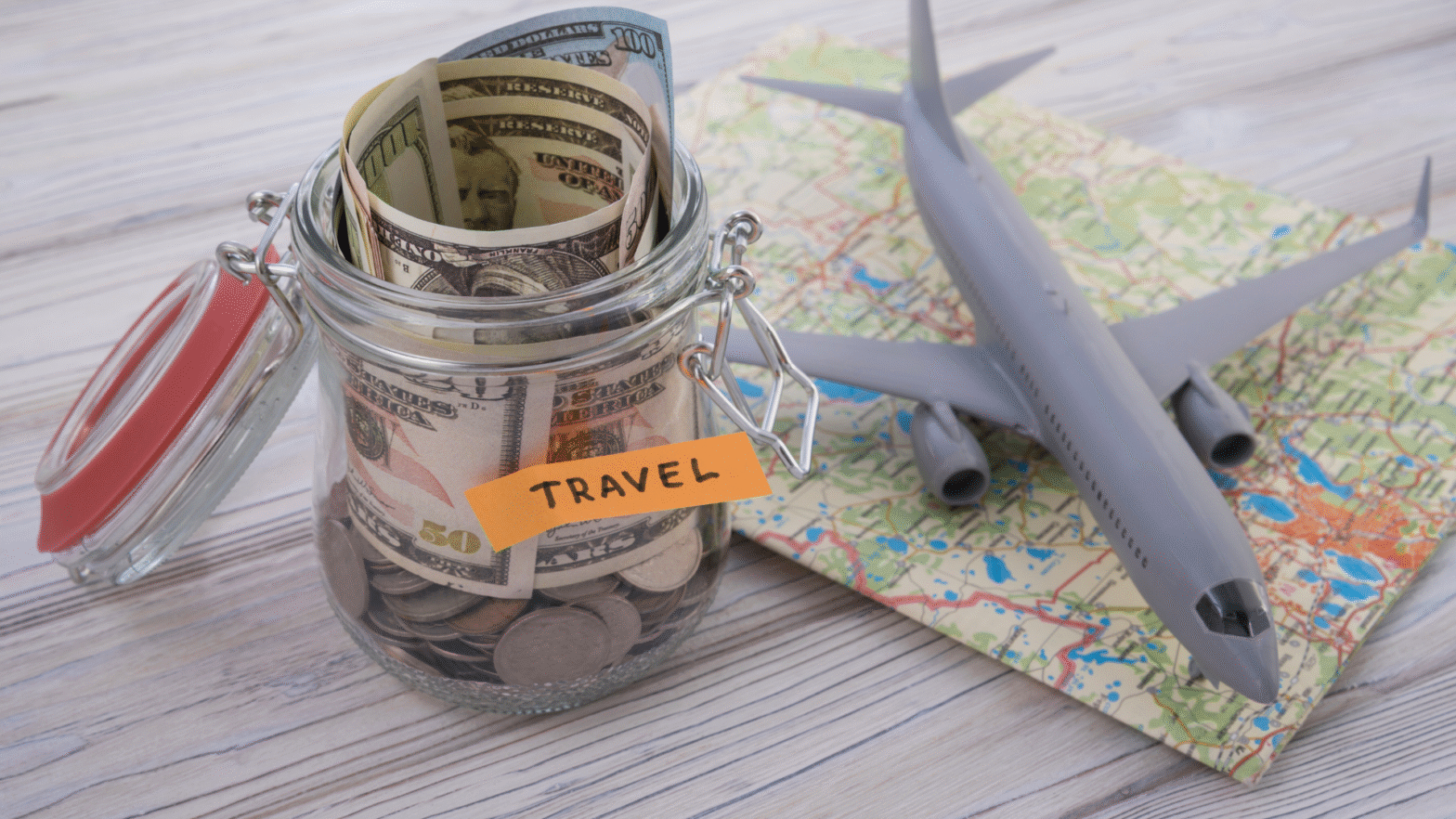
Traveling on a budget does not mean sacrificing experiences or comfort. With the right strategies, anyone can explore new destinations, enjoy local cultures, and make lasting memories without breaking the bank. Planning, utilizing technology, and being open to alternative accommodations can transform a travel itinerary into a cost-effective adventure.
Many travelers fear that budget constraints limit their options. In reality, there are numerous ways to enjoy trips without overspending. By seeking discounts, using public transportation, and choosing off-peak times, one can experience a destination fully while keeping expenses low.
Finding affordable travel options requires creativity and flexibility. Embracing these principles not only enhances the travel experience but also allows for greater exploration. With the right mindset and tools, travelers can navigate the world efficiently and economically.
Essential Strategies for Budget Travel
Effective budget travel requires careful planning and smart decisions. Focusing on key strategies can significantly reduce costs while maximizing the travel experience. Here are essential methods to travel smarter and on a budget.
Setting a Realistic Travel Budget
Creating a travel budget involves determining all potential expenses. This includes accommodation, food, transportation, and activities. Travelers should first identify the total amount they can spend.
A useful method is the 50/30/20 rule:
- 50% for necessities (like lodging and food)
- 30% for experiences (activities and entertainment)
- 20% for savings or emergencies
By breaking down expenses, travelers can pinpoint areas where they can cut costs. Creating a detailed list helps in sticking to the budget. Track spending regularly to adjust as needed and avoid overspending.
Choosing Budget-Friendly Destinations
Selecting the right destination greatly impacts budget travel. Some places are inherently more affordable due to lower living costs. Research destinations known for budget-friendly offerings.
Consider:
- Eastern Europe: Countries like Hungary and Poland offer rich culture at lower prices.
- Southeast Asia: Thailand and Vietnam provide affordable accommodations and food.
- South America: Colombia and Ecuador are popular for low-cost travel experiences.
Additionally, traveling during the off-peak season can lead to significant savings on flights and accommodations. Prioritize destinations where values align with budgetary constraints.
Planning and Booking Smart
Planning often leads to better deals. Start researching flights and accommodations at least four to six months before departure. Utilize travel comparison sites such as Skyscanner or Kayak to find the best prices. Set price alerts to monitor fare drops.
In addition, booking mid-week often results in lower ticket prices. Flexibility with travel dates can also help discover cheaper options. Don’t forget to consider alternative lodging options like hostels, guesthouses, or vacation rentals, which can be more affordable than hotels.
Avoiding Tourist Traps
Tourist traps can derail budget plans quickly. Identifying these locations is essential for managing expenses. These attractions often charge inflated prices for basic amenities. To circumvent this, travelers should prioritize lesser-known sites. Research free or low-cost options that offer genuine cultural experiences.
Eating at local markets rather than touristy restaurants also saves money and provides authentic cuisine. Lastly, seek recommendations from residents or trustworthy travel blogs to find hidden gems. This approach not only saves money but also enriches the travel experience.
Saving on Transportation
Cost-effective travel often hinges on smart transportation choices. By finding affordable flights, utilizing public transport, and taking advantage of comparison tools, travelers can significantly reduce their overall expenses.
Finding Cheap Flights and Budget Airlines
To secure the best flight deals, travelers should explore budget airlines known for lower fares. Airlines such as Ryanair, EasyJet, or Southwest often provide competitive prices. Using platforms like Google Flights allows individuals to compare different airlines and track price changes over time. Setting up alerts for specific routes can notify travelers of price drops.
Flexible travel dates increase the chances of lower fares. Midweek flights and off-peak seasons typically offer cheaper options. Booking well in advance can also lead to significant savings.
Maximizing Public Transportation and Carpooling
Public transportation is a cost-effective way to navigate cities. Buses, trams, and subways provide affordable access to major attractions. Many cities offer tourist passes that provide unlimited access for a set number of days.
Carpooling can further reduce travel costs. Services like BlaBlaCar facilitate ridesharing between travelers heading in the same direction. This method not only saves money but also promotes social interaction. Using apps to locate public transit schedules can streamline journeys. This enables travelers to plan their routes efficiently and avoid costly taxi fares.
Leveraging Comparison Tools
Several online comparison tools help travelers find the best transportation options. Websites such as Skyscanner and Kayak aggregate flight prices and transportation means, allowing for easy side-by-side comparisons.
Travelers should utilize these tools to assess not only airfare but also ground transportation alternatives. Quick evaluations can reveal cheaper bus or train options compared to flying. Mobile apps often provide updates on ticket prices and availability. These tools can save significant amounts, sometimes even identifying deals missed by other methods.
Cutting Costs with Overnight and Off-Season Travel
Traveling overnight can be a strategic decision. Overnight buses or trains offer savings on both transportation costs and accommodation. Off-season travel also presents an opportunity to save. Prices for flights and hotels generally decrease during months when fewer tourists are present.
Travelers should research high and low seasons for their destination. This can help synchronize their travel plans with cheaper rates, leading to substantial overall savings. Exploring during less popular times can enhance the experience without the crowds, while keeping costs low.
Affordable Accommodation Options
Travelers seeking to make the most of their budget can find various affordable accommodation options. From hostels to innovative platforms, several alternatives to traditional hotels can help reduce travel expenses.
Choosing Hostels and Shared Spaces
Hostels are popular for budget-conscious travelers. They often provide dormitory-style rooms, which significantly lower accommodation costs. Many hostels also offer private rooms, making them versatile for different preferences.
Shared spaces often include communal kitchens, lounges, and social activities, fostering connections among guests. Websites like Hostelworld or Hostels.com provide numerous options, allowing travelers to compare prices and reviews. When choosing a hostel, consider the location, amenities, and guest reviews to ensure a satisfactory experience.
Exploring Couchsurfing and Free Accommodation
Couchsurfing offers a unique way to save money while experiencing local culture. By staying with locals for free, travelers gain insights into the area that traditional accommodations may not provide.
This platform connects hosts with travelers through profiles and references, emphasizing a sense of community. Travelers should create a credible profile and engage with potential hosts to increase their chances of securing a stay. While this option is free, it’s customary to offer a small gift or help with chores as a gesture of gratitude.
Using Airbnb and Alternative Stays
Airbnb provides a diverse range of accommodation, from single rooms to entire homes. This platform enables travelers to find more personalized and often more affordable options compared to traditional hotels.
Prices can vary significantly based on location, season, and amenities offered. Filters allow users to specify their needs, such as pet-friendly places or proximity to attractions. Alternative stays, like homestays or rental cabins, can create a more authentic experience. Evaluating reviews and the host’s responsiveness can ensure a good stay.
House Sitting and Loyalty Programs
House sitting can be an excellent way to stay for free while caring for someone’s home and pets. Websites like TrustedHousesitters connect sitters with homeowners seeking responsible travelers. This option typically requires a reliable profile and references, as trust is crucial in these arrangements. House sitters benefit from a free stay while providing peace of mind to homeowners.
Loyalty programs also present opportunities for affordable stays. Many hotel chains offer rewards programs where frequent stays can lead to free nights, upgrades, or discounts. Signing up for these programs can help travelers maximize their budgets over time.
Smart Ways to Save While Traveling
Traveling on a budget doesn’t mean sacrificing experiences. There are numerous strategies to enjoy trips while keeping expenses low. Here are practical approaches to save money while exploring new destinations.
Low-Cost Activities and Local Experiences
Many destinations offer affordable or free activities that can enhance the travel experience. Exploring local parks, museums with free admission days, and community events can provide valuable insights into the culture.
Examples of low-cost activities include:
- Walking Tours: Many cities have free or low-cost walking tours led by local guides.
- Outdoor Adventures: Hiking, biking, or enjoying public beaches can be inexpensive yet rewarding.
- Cultural Festivals: Attending local festivals often showcases traditions at little to no cost.
Investigating local websites or tourism boards can reveal opportunities for unique experiences without a high price tag.
Eating on a Budget: Street Food and Self-Catering
Dining on a budget is crucial for maintaining overall travel costs. Street food provides a delicious and affordable way to enjoy local cuisine.
Optimal dining strategies include:
- Street Food: Vendors often sell authentic dishes at a fraction of restaurant prices. Trying regional specialties can also enhance the travel experience.
- Self-Catering: Purchasing groceries and preparing meals can drastically cut food expenditures. Markets often have fresh produce and local delicacies.
Combining these approaches allows travelers to explore cuisine while managing spending.
Travel Insurance and Financial Safety
Investing in travel insurance is essential for mitigating unexpected costs. It protects against potential losses, like medical emergencies or trip cancellations.
Travelers should compare policies to find the best coverage for their needs.
Furthermore:
- Always have multiple payment methods, such as credit and debit cards.
- Inform banks about travel plans to avoid declined transactions due to suspected fraud.
- Keep digital copies of important documents to assist in recovery if lost.
Planning for financial safety contributes to a more secure travel experience.
Travel Tips for Managing Expenses
Effective planning can maximize travel enjoyment while minimizing costs.
Important tips include:
- Use Public Transportation: It’s often cheaper than taxis and provides an authentic experience of local life.
- Travel Off-Peak: Visiting during shoulder seasons can lead to lower accommodation rates.
- Set a Daily Budget: Assigning daily spending limits helps control finances throughout the trip.
Being mindful of spending habits allows travelers to stretch their budget while still enjoying their adventures.