
Used Car Test Drive Mistakes and How to Avoid Them
Most test drives of used cars fail before you turn the key. We treat them as a quick spin to see whether we like the car, when the drive should be a chance to gather evidence about its condition.
Check the paperwork after you already like the car
The first mistake happens at home. We find a car we love online, book a drive and tell ourselves we will sort out the history later.
Run a vehicle history check before you travel, rather than leaving it until you arrive. That often means a PPSR check, which shows finance owing as well as write-off and stolen status.
That check does not generally show odometer rollback or full service history. For those clues you need service books and receipts showing consistent kilometres over time. If the numbers don’t line up or the seller can’t produce the paperwork, skip the drive.
You save time and worry. You also avoid getting attached to a car with messy title issues that even a good test drive cannot fix.
Drive a car the seller has already warmed up
Sellers love to have the car running and ready when you arrive. It feels helpful, but it can hide faults.
Ask for the car to be cold when you arrive. That means it has sat for hours and has not been started that morning, so you can be there for the first start of the day.
Turn the key and watch. Does the engine catch cleanly? Watch whether the idle stays steady at the lights and whether any warning lights remain on. Look for unusual smoke or a smell that wasn’t mentioned.
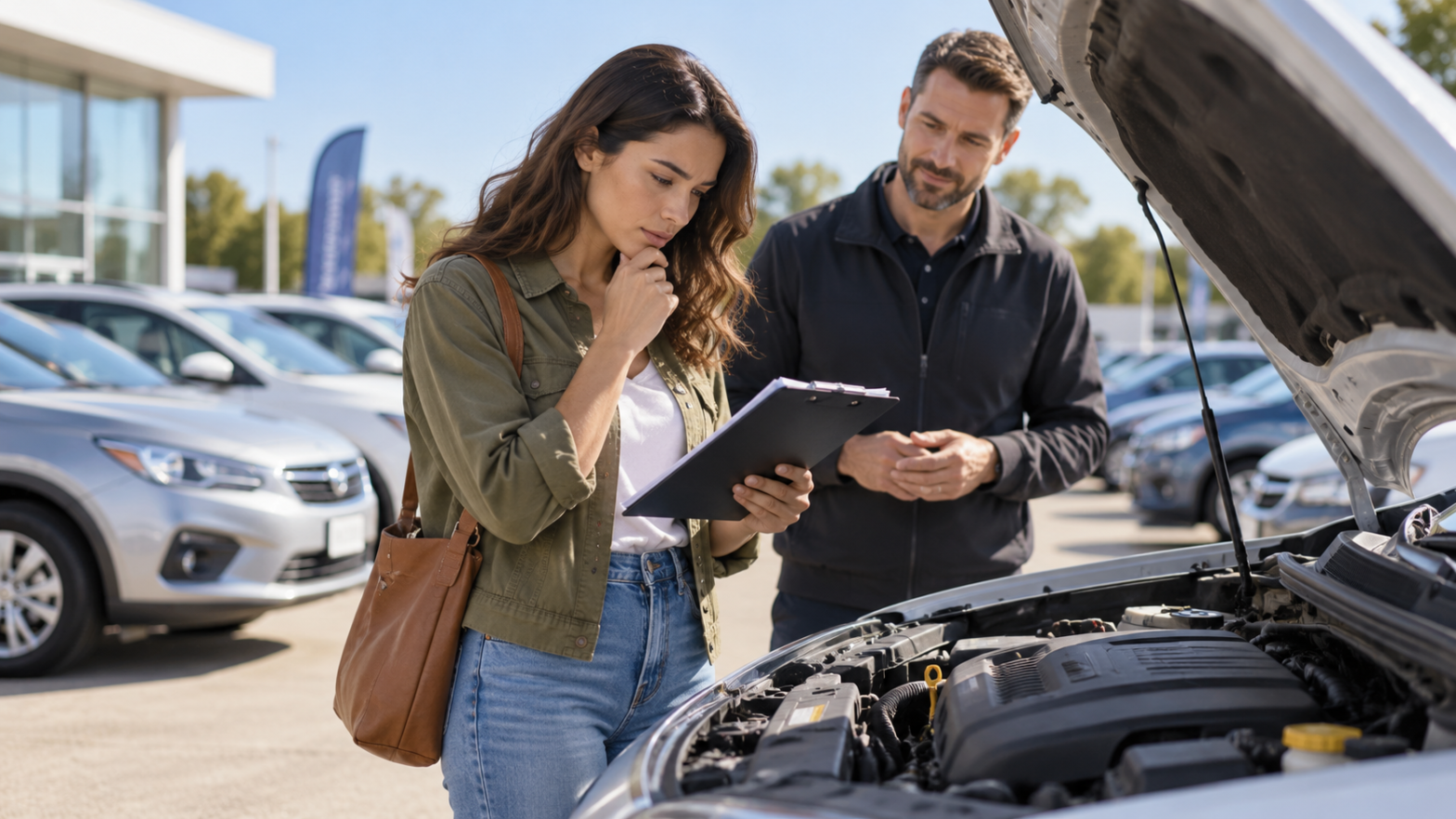
Don’t try to diagnose what you see; note it down for later. A shaky idle and a check engine light don’t tell you the cause, but they do give you a reason to ask questions and get an independent inspection before you talk money.
Boring wins here every time.
Arrive ready to leave a deposit
This is the emotional trap. When the drive goes well and the seller is friendly, you can feel pressure to secure the car with cash on the spot.
Don’t arrive with that plan. Decide before you go that you won’t pay anything on the day, and bring a passenger if it helps you stick to that decision. Ask them to jot down notes while you drive so you don’t have to rely on memory later.
A good drive plus a clean independent inspection is the natural final check before you commit, and once both pass you can proceed with the car sale at a reputable dealer with confidence rather than feeling rushed into a decision.
Private sellers and dealers handle paperwork differently, and protections and finance options can vary, so give yourself a night to compare the car against others and read the contract with fresh eyes. If someone says the car won’t last till morning, let it go. Another car will come up.
Stick to an easy loop around the block
A short loop on smooth streets tells you almost nothing. It won’t show how the car behaves over bumps or how the gearbox acts when it has to work a little.
Agree a route with the seller that uses normal lawful speeds. Include some town stop-start driving and a rougher back street with speed humps, taken at normal speeds. If the route lawfully includes a freeway entry, use it at normal traffic speed to feel power delivery under mild load. There is no need for hard acceleration.
Keep speeds legal and braking progressive, paying attention to whether the car stops straight and the steering feels steady. Listen for knocks over bumps and whines as gears change. Test controls while parked in a safe spot, not while you are moving.
If you notice fluid marks where the car was parked or tyres with uneven wear, don’t crawl underneath or touch hot parts. Note what you saw from a safe standing position and raise it with the mechanic.
Focus only on how it drives
Many buyers never touch the switches. That is a mistake with used cars because small electrical faults are common and cost money to sort out.
While parked, work through the boring stuff. Run the air conditioner on full cold, then switch to heat. Try all the windows and mirrors, along with the wipers and washers. Try the handbrake on a gentle slope where it is safe and legal to stop. Check lights, indicators, horn, and central locking.
Keep the stereo off for the first few minutes of the drive. Music and chat can mask road noise and suspension knocks, so ask for quiet while you listen. Your passenger can note any rattle or clunk for later.
Drive the exact car you will buy, down to its number plate and kilometres, not a similar one on the lot. Colours and trims blur together after three viewings and mistakes happen.
Allow time after the drive to consider your notes. Book an independent pre-purchase inspection with a mechanic you choose, confirming whether hoist access is included. Ask for a written assessment of findings and limitations before committing.
A careful drive won’t guarantee a perfect car. It helps you identify concerns and decide which example deserves an independent inspection.