
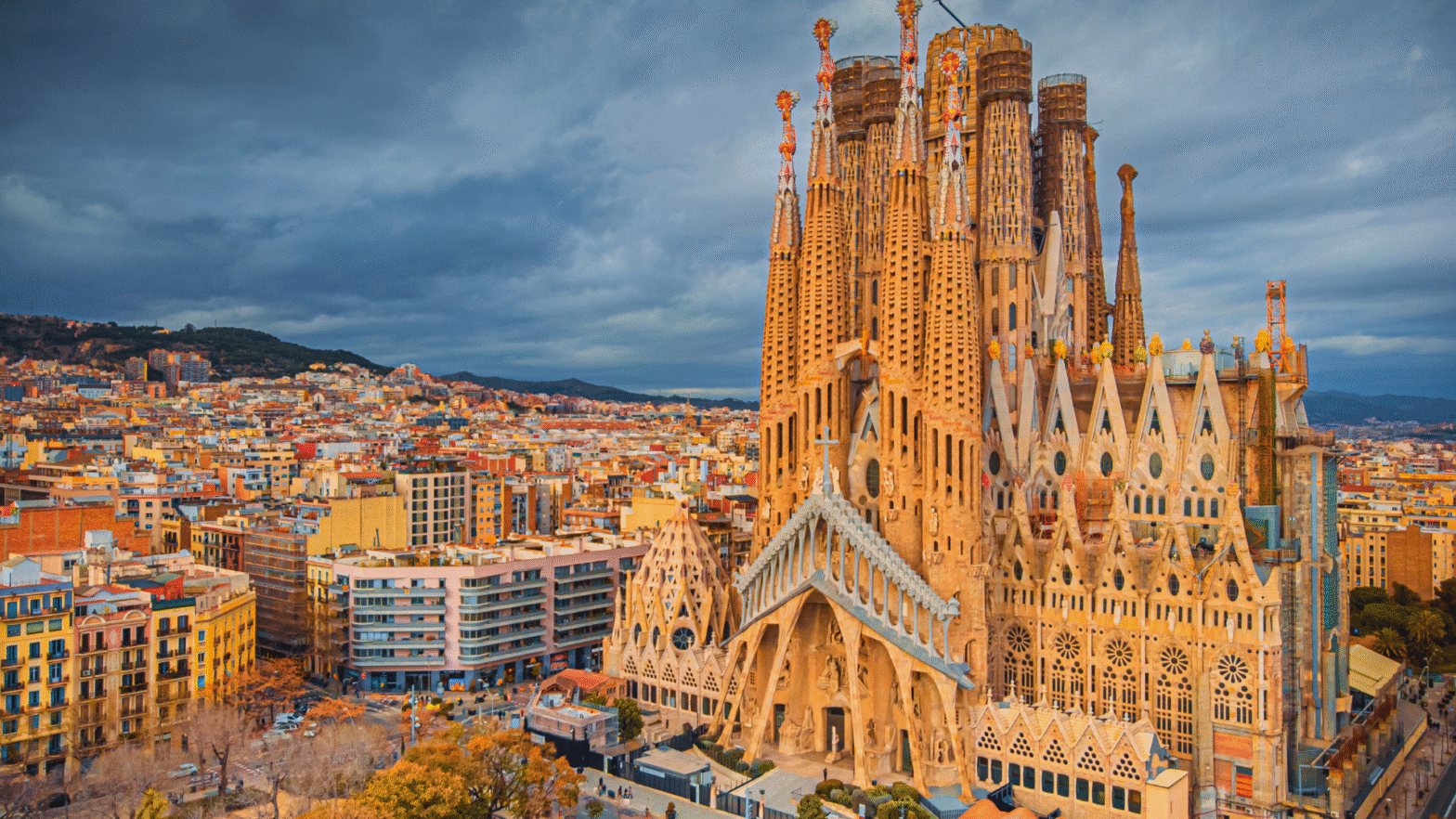
For architecture enthusiasts, certain cities around the world stand out as must-visit destinations. Cities like Barcelona, Paris, and Tokyo offer a rich tapestry of styles, historical significance, and innovative designs that captivate fans of architecture. Each location presents a unique opportunity to explore iconic landmarks and discover hidden gems that tell the story of their architectural evolution.
From the sweeping curves of Gaudí’s creations in Barcelona to the timeless elegance of Haussmannian buildings in Paris, lovers of architecture can immerse themselves in diverse aesthetics. Meanwhile, Tokyo showcases a striking juxtaposition of traditional and modern designs, making it a fascinating case study in architectural adaptation.
Traveling to these cities not only satiates the desire to appreciate beautiful structures but also enhances understanding of cultural contexts. Architectural fans seeking inspiration will find endless materials to explore in the distinctive features of each destination.
Top Cities Celebrated for Iconic Architecture
Certain cities stand out for their remarkable architectural achievements. They showcase a blend of historical significance and contemporary innovation.
New York City: Skyscrapers and Art Deco Heritage
New York City is renowned for its iconic skyline, dominated by skyscrapers that define the modern city. Notable Art Deco structures, like the Chrysler Building and the Empire State Building, exhibit elegant designs and intricate details.
Tourists and architecture enthusiasts flock to the observation decks for panoramic views. Additionally, the city features an array of historic districts, each with unique architectural styles. Examples include Greenwich Village and the Upper West Side, offering glimpses of classic brownstones and landmarks.
The diverse architectural narrative of New York City is a testament to its growth and cultural significance over the decades.
Barcelona: Modernism and Antoni Gaudí’s Masterpieces
Barcelona is a city where Catalan Modernism flourished, primarily through the vision of Antoni Gaudí. The Sagrada Família is perhaps his most famous work, with its intricate facades and towering spires, still under construction since 1882.
Park Güell showcases Gaudí’s whimsical designs amidst lush gardens, inviting visitors to explore its colorful mosaics and serpentine benches. Casa Batlló, another iconic building, stands out with its organic shapes and vibrant aesthetic.
Barcelona’s rich architectural landscape is complemented by the Gothic Quarter, where medieval buildings blend harmoniously with modern structures. This combination makes the city a playground for architecture lovers.
Paris: Classic and Contemporary Urban Landscapes
Paris is synonymous with timeless elegance and architectural diversity. Historic landmarks like the Eiffel Tower and Notre-Dame Cathedral highlight its classic charm, while modern additions like the Louvre Pyramid offer a contemporary contrast.
The city is a UNESCO World Heritage site, reflecting its historical significance. Neighborhoods such as Le Marais feature well-preserved architecture from different eras, including Renaissance and Haussmannian styles.
Architectural tours often emphasize the balance between old and new, demonstrating how Paris continues to evolve while honoring its past. This symbiosis creates a captivating environment for those passionate about architecture.
Dubai: Architectural Innovation in the United Arab Emirates
Dubai has transformed into a global hub of architectural innovation, marked by ambitious projects and futuristic designs. The Burj Khalifa, the tallest building in the world, represents this bold vision with its sleek, soaring structure.
Besides the skyline, the city boasts unique landmarks, such as the Palm Jumeirah and the Burj Al Arab, which reflect luxury and creativity. The design of these buildings emphasizes avant-garde aesthetics and engineering prowess.
Dubai’s rapid development showcases its commitment to pushing architectural boundaries, making it an essential destination for anyone fascinated by modern architecture. The blend of Eastern and Western influences adds to its unique architectural narrative.
Architectural Styles and Their Global Influence
Architecture reflects cultural evolution and technological advancements. Various styles have emerged, leaving lasting impacts on urban landscapes and global design practices.
Modernism and the Rise of Glass, Steel, and Concrete
Modernism revolutionized architecture in the early 20th century. Its core principles emphasized function over form, and the use of new materials—glass, steel, and concrete became staples. Buildings such as the Bauhaus in Germany and Le Corbusier’s Villa Savoye exemplify this movement.
This architectural style promotes open spaces and minimal ornamentation. The reliance on industrial materials not only changed aesthetic choices but also influenced urban planning, leading to skyscrapers redefining city skylines worldwide.
Art Nouveau, Art Deco, and Their Urban Impact
Art Nouveau thrived in the late 19th and early 20th centuries, characterized by organic forms and intricate details. Cities like Barcelona and Paris showcase this style through buildings designed by Antoni Gaudí and Hector Guimard.
Art Deco, which emerged in the 1920s, combined elegance with modern materials. This style is famous for bold geometric shapes and rich colors, evident in structures like New York’s Chrysler Building. Both movements significantly influenced public spaces, residential design, and urban aesthetics.
Baroque, Renaissance, and Classical Inspirations
Baroque architecture, prominent in the 17th century, is known for its grandeur and drama. Masterpieces such as St. Peter’s Basilica in Vatican City highlight the use of elaborate details and dynamic forms.
Renaissance architecture emphasized symmetry and proportion, drawing inspiration from classical antiquity. Prominent figures like Filippo Brunelleschi and Andrea Palladio shaped this style. Its principles of balance and harmony continue to inform contemporary design choices, proving its enduring legacy.
Contemporary Design and Sustainable Architecture
Contemporary architecture integrates innovation with environmental stewardship. Sustainable design emphasizes renewable resources and energy efficiency, responding to ecological challenges. Green building techniques, such as passive solar design, rainwater harvesting, and the use of recycled materials, are becoming standard practice.
Prominent modern examples include the Bosco Verticale in Milan and the One Central Park in Sydney. Both projects incorporate greenery into residential spaces, illustrating a commitment to sustainability while enhancing aesthetic appeal. This focus on ecological responsibility represents a significant shift in architectural priorities for the future.
Must-See Cities for Architecture Enthusiasts Around the World
Architecture enthusiasts will find a wealth of inspiration in cities known for their distinct styles and historical significance. Each destination boasts iconic structures that reflect cultural narratives and artistic movements.
Rome and Florence: Italy’s Cradle of Classic and Renaissance
Rome is home to monumental works like the Pantheon, showcasing stunning ancient Roman engineering with its massive dome and oculus. The intricate Baroque architecture found in St. Peter’s Basilica further emphasizes the city’s artistic heritage.
Florence stands as the birthplace of the Renaissance, featuring masterpieces such as the Duomo with its distinct red-tiled dome designed by Brunelleschi. The Uffizi Gallery illustrates the city’s artistic past, housing works by Michelangelo and Botticelli. Streets filled with terracotta buildings and historic piazzas create a captivating atmosphere for fans of architecture.
Istanbul: Byzantine and Ottoman Architectural Wonders
Istanbul presents a unique blend of Byzantine and Ottoman architecture. The Hagia Sophia, originally a cathedral, later converted into a mosque, showcases majestic domes and intricate mosaics that highlight its historical evolution.
The Blue Mosque, with its cascading domes and six minarets, reflects Ottoman grandeur. Narrow streets are lined with hand-painted ceramics, and you can also find ancient structures intermingled with modern life, creating a lively architectural tapestry that attracts many.
Tokyo and Kyoto: Japan’s Blending of Tradition and Modernity
Tokyo embodies architectural innovation with its skyscrapers and cutting-edge designs. Buildings like the Tokyo Skytree symbolize modern engineering, while neighborhoods such as Akihabara and Shibuya illustrate vibrant urban life.
In contrast, Kyoto preserves Japan’s rich heritage through traditional wooden buildings. The Kinkaku-ji, or Golden Pavilion, features serene gardens and reflects classic Japanese aesthetics. This juxtaposition of modernity and tradition provides a fascinating view for architecture aficionados.
Chicago: The Birthplace of the Skyscraper
Chicago is renowned as the birthplace of the skyscraper, influenced by architects like Frank Lloyd Wright. The Willis Tower, formerly known as the Sears Tower, stands as a testament to architectural advancement, dominating the skyline.
The city’s diverse styles are evident in the Art Deco Chicago Board of Trade Building and the classic Marina City complex. River cruises offer unique perspectives of these architectural feats, captivating visitors with the city’s innovative spirit and design legacy.
Beyond the Icons: Emerging Cities and Unique Local Influences
Emerging cities offer fresh perspectives on architecture with unique local influences. From Australia’s contemporary hubs to the modernist legacies in Brazil, these locales are redefining architectural landscapes.
Melbourne and Sydney: Australia’s Contemporary Scene
Melbourne and Sydney stand out in Australia for their innovative architectural designs. Melbourne is known for its vibrant urban art scene and contemporary buildings like the Royal Children’s Hospital, which integrates sustainability into its design. The city also boasts the Federation Square, an architectural landmark that combines cultural venues with modern aesthetics.
Sydney, on the other hand, features iconic structures like the Sydney Opera House. Its blend of natural landscapes and urban design creates a dynamic skyline. Sustainable architecture is a growing trend in both cities, with eco-friendly initiatives becoming standard in new developments, showcasing Australia’s commitment to architectural innovation.
Tel Aviv: Bauhaus and the White City Legacy
Tel Aviv is celebrated for its Bauhaus architecture, a distinctive style that symbolizes the city’s cultural heritage. The White City area, recognized as a UNESCO World Heritage site, showcases over 4,000 Bauhaus buildings from the 1930s. This architectural style is characterized by its functional design and light color palettes.
The city also reflects its diverse influences, with modern glass-and-steel structures contrasting against historic buildings. Tel Aviv’s urban planning emphasizes open spaces and community-oriented designs, making it a vibrant city for architecture enthusiasts seeking innovative forms mixed with historical depth.
Brasilia and São Paulo: Oscar Niemeyer’s Modernist Vision
Brasilia, Brazil’s capital, is synonymous with the visionary work of architect Oscar Niemeyer. Created in the 1960s, the city is renowned for its futuristic designs, including the National Congress and the Cathedral of Brasília. These structures showcase Niemeyer’s signature curves and dedication to harmony between form and function.
São Paulo represents another facet of Niemeyer’s influence, with landmarks like the Copan Building, which features organic shapes and flowing lines. The city is a hub of modernist architecture, showcasing a range of styles from brutalism to contemporary designs, influenced by its diverse cultural landscape.
Marrakech and New Orleans: Colonial and Vernacular Styles
Marrakech presents a rich tapestry of Moroccan architecture, combining Islamic and French colonial styles. The medina’s intricate mosaics and riads showcase local craftsmanship, while the Koutoubia Mosque reflects the city’s historical depth. Marrakech’s architecture emphasizes harmony with nature and the use of local materials, contributing to its unique aesthetic.
New Orleans offers a different but equally rich architectural heritage, known for its vibrant Creole cottages and French colonial buildings. The French Quarter features wrought-iron balconies and pastel facades, echoing its diverse cultural influences. New Orleans architecture captures the spirit of the city, blending history with vernacular styles that tell a story of resilience and creativity.