
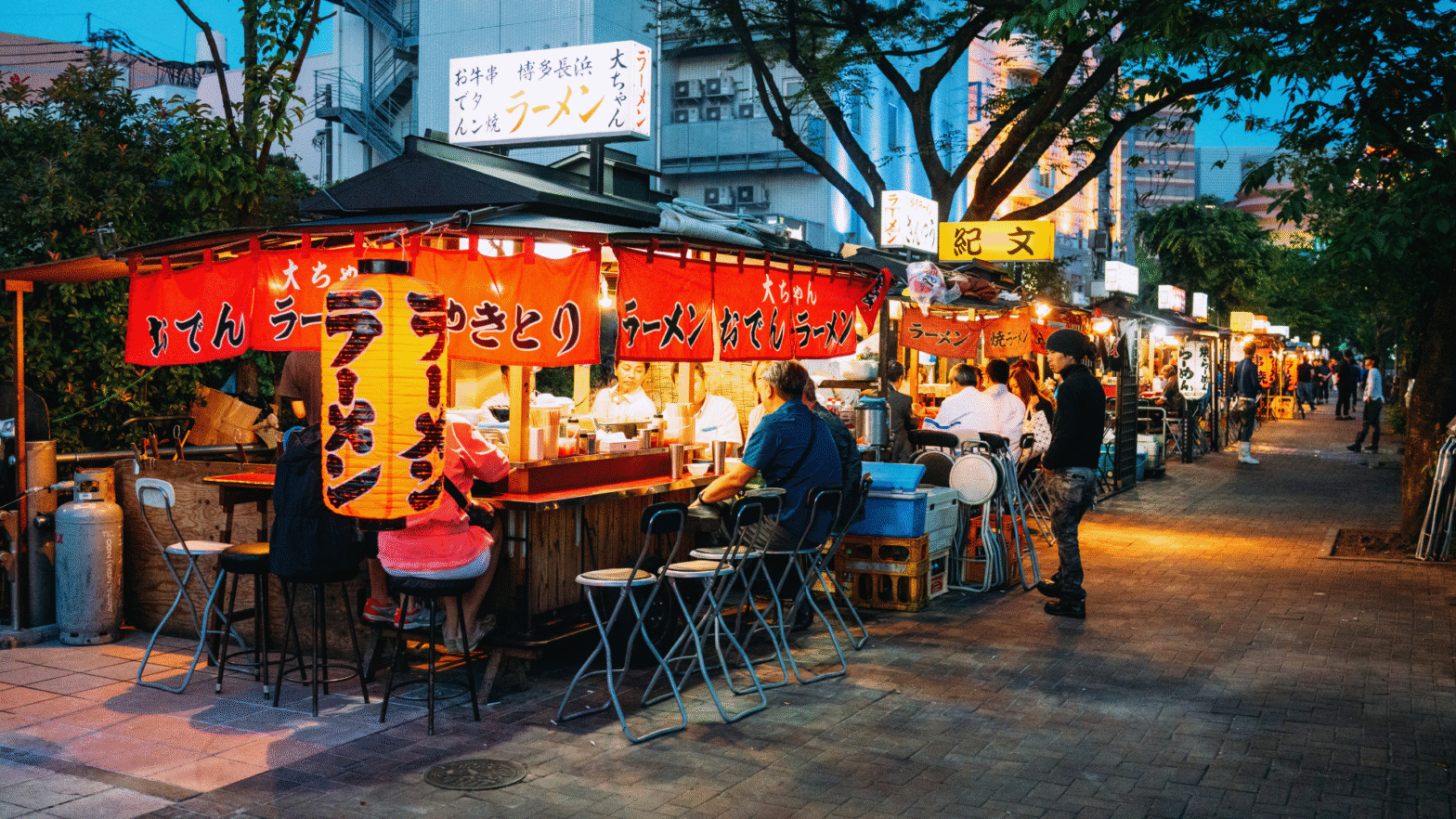
Asian street food offers an incredible opportunity to explore diverse cultures while indulging in delicious flavors. To fully experience street food in Asia, one must embrace local customs, taste regional specialties, and connect with passionate street food vendors. Each city presents a unique array of dishes, inviting food lovers to discover everything from sizzling skewers to fragrant noodle dishes.
Navigating bustling markets and roadside stalls can be an adventure in itself. Observing the vibrant street food culture not only tantalizes the taste buds but also provides insights into the everyday lives of locals. Engaging with vendors often leads to stories behind their recipes, enriching the culinary experience beyond mere consumption.
For those ready to dive into this culinary journey, following a few simple guidelines can elevate the street food experience. Prioritizing hygiene, sampling a variety of dishes, and being open to trying new flavors can make for an unforgettable exploration of Asian food culture.
Top Street Food Destinations in Asia
Asia is renowned for its vibrant street food scene, offering an array of flavors that reflect local traditions and cultures. Key destinations feature bustling food markets and street vendors, creating unique culinary experiences.
Bangkok and Thai Cuisine
Bangkok is a vibrant hub for street food enthusiasts. Famous dishes include Pad Thai, often cooked over high heat with shrimp or chicken and served with lime and peanuts. Mango Sticky Rice offers a sweet ending, featuring glutinous rice paired with ripe mango and coconut milk. Exploring the city’s food stalls, visitors can find Khao Soi, a rich noodle curry from Northern Thailand, and Roti, a crispy, flaky bread commonly stuffed with banana and condensed milk. The city’s night markets, such as Chatuchak, make for lively dining experiences where vendors showcase diverse options ranging from grilled skewers to spicy salads.
Hanoi and Ho Chi Minh City Delicacies
Vietnam’s street food in Hanoi and Ho Chi Minh City is a culinary adventure. Pho, the iconic noodle soup, consists of fragrant broth, tender beef or chicken, and fresh herbs. In Hanoi, one can also enjoy Banh Mi, a crispy baguette filled with meats, pickled vegetables, and spicy chili sauce. Goi Cuon, or spring rolls, filled with shrimp and herbs, add freshness to the mix. Meanwhile, Ho Chi Minh City’s vibrant food culture features Banh Xeo, a savory pancake filled with shrimp and bean sprouts. Visitors can relish these delights at local food stalls or bustling markets like Ben Thanh.
Hong Kong, Singapore, and Southeast Asia
Hong Kong boasts an illustrious street food scene with dishes such as Dim Sum, including dumplings and buns, served in small portions for sharing. Egg Waffles, a street snack, are crispy on the outside and soft inside, making them a popular treat. In Singapore, the famed Hainanese Chicken Rice showcases tender chicken with fragrant rice, often accompanied by chili sauce. Visitors must also try Laksa, a spicy noodle soup, and Char Kway Teow, a stir-fried noodle dish. Other delights across Southeast Asia include Nasi Goreng, a flavorful fried rice from Indonesia, and Mee Goreng, a spicy fried noodle dish.
East Asia Icons: Tokyo, Osaka, and Seoul
In Japan, Tokyo and Osaka represent the pinnacle of street food with varied options. Takoyaki, or octopus balls, are a must-try, served hot and drizzled with sauces. In Osaka, Okonomiyaki, a savory pancake, allows for creativity with fillings of choice. Visitors can also enjoy Yakitori, skewered chicken grilled to perfection. In South Korea, Seoul offers a vibrant street food culture with dishes like Tteokbokki, spicy rice cakes that delight many. Korean Fried Chicken is crispy and often glazed with sweet sauces. The city also has numerous stalls serving Bubble Tea, adding a sweet touch to the street food experience.
Essential Asian Street Food Dishes You Must Try
Asian street food offers a rich tapestry of flavors and culinary traditions. Each dish reflects the cultural nuances of its region, providing an authentic taste experience. Here are some essential dishes to explore.
Signature Noodle and Rice Specialties
Pho is a classic Vietnamese noodle soup, featuring rice noodles in a fragrant broth, topped with herbs and meat.
Pad Thai, a popular Thai stir-fried noodle dish, combines rice noodles with shrimp, tofu, peanuts, and bean sprouts, flavored with tamarind.
Char Kway Teow is a beloved Malaysian dish of flat rice noodles stir-fried with shrimp, Chinese sausage, bean sprouts, and eggs, all infused with a smoky flavor.
Mee Goreng, from Indonesia and Malaysia, is a spicy stir-fried noodle dish featuring bold flavors and a mixture of proteins.
Nasi Goreng is a fragrant fried rice dish often served with chicken and a fried egg, offering comfort and satisfaction.
Laksa is a spicy, coconut milk-based noodle soup popular in Malaysia and Singapore, combining rice noodles, shrimp, tofu, and herbs.
Khao Soi, a Northern Thai specialty, consists of egg noodles in a rich curry broth, topped with crispy noodle strands for texture.
Savory Snacks, Skewers, and Sweets
Satay is marinated meat skewered and grilled, typically served with peanut sauce, making it a flavorful snack in Indonesia and Malaysia.
Samosas are crispy pastries filled with spiced potatoes or meat, popular in India and surrounding regions.
Chaat is a vibrant and tangy street food, combining various ingredients like chickpeas, potatoes, yogurt, and spices, creating a unique taste experience.
Roti, a flaky flatbread, is often served with sweet or savory fillings, popular in many Southeast Asian countries.
Egg waffles, a Hong Kong specialty, are puffy and crispy treats. They are often served plain or filled with toppings like fruit and ice cream.
Yakitori consists of grilled chicken skewers coated in a savory glaze, common in Japanese street markets.
Gyoza are Japanese dumplings, typically filled with ground meat and vegetables, pan-fried until crispy.
Regional Favorites and Comfort Foods
Banh Xeo, a Vietnamese pancake, is crispy and filled with shrimp, pork, and bean sprouts, offering a delightful combination of textures.
Stinky Tofu is a fermented delicacy popular in Taiwan, known for its strong aroma and crispy exterior, often enjoyed with dipping sauce.
Mango Sticky Rice is a sweet dessert featuring glutinous rice topped with ripe mango slices, drizzled with coconut milk.
Dragon Fruit is a refreshing fruit often sold as a street snack, known for its vibrant color and mildly sweet flavor.
Banh Mi is a Vietnamese sandwich filled with various meats and pickled vegetables, making it a convenient and delicious choice.
Goi Cuon, or fresh spring rolls, are filled with shrimp, herbs, and vermicelli noodles, served with peanut sauce.
Kaya Toast pairs toasted bread with a sweet coconut jam, commonly enjoyed with coffee or tea.
Hainanese Chicken Rice features poached chicken served with fragrant rice, accompanied by chili sauce and soy sauce, representing comfort food in Singapore.
Chili Crab, a Singaporean favorite, features crab cooked in a spicy, tangy sauce, often enjoyed with bread to soak up the sauce.
Okonomiyaki, a savory Japanese pancake, features various ingredients, such as cabbage and meat, topped with sauces and bonito flakes.
Tteokbokki is a Korean comfort food made with chewy rice cakes in a sweet and spicy sauce.
Korean Fried Chicken is known for its crispy coating and flavorful sauces, making it a popular street food choice.
Planning Your Street Food Experience in Asia
A successful street food experience in Asia requires careful planning. From understanding where to find the best food markets to being aware of food safety and etiquette, knowledge is essential for food lovers seeking to immerse themselves in the vibrant street food culture.
Navigating Food Markets and Night Markets
Many popular food markets and night markets, like the famous Shilin Night Market in Taipei, offer an array of culinary delights. Visitors can discover local food by exploring various food stalls, each showcasing unique dishes that reflect regional flavors.
To maximize the experience, it’s advisable to visit during peak hours when vendors prepare fresh dishes. Employing resources like food apps or local guides can help identify the most popular vendors, often recognized by long lines of customers. It’s crucial to look for stalls that prioritize cleanliness and have high customer turnover, ensuring the food is fresh.
Food Safety and Etiquette Tips
Food safety is vital when enjoying street food in Asia. Travelers should opt for vendors that prepare food in front of customers to ensure freshness and hygiene. Observing which stalls are busy can indicate safety and quality.
Eating with the locals often requires understanding basic etiquette. In many cultures, it is polite to use chopsticks or small utensils provided by the vendor. Sharing dishes among a group is common, enhancing the communal experience. Drinking bottled water or beverages is often safer than consuming tap water to avoid any health issues.
Cultural Insights for Food Lovers
Culinary traditions and street food culture vary across Asia, reflecting the region’s rich history and diversity. Each dish tells a story and connects to local customs. For instance, fried snacks might dominate in one area, while noodle dishes thrive in another.
Food lovers should take the time to speak with street food vendors; many are happy to share their recipes or the history behind their dishes. Engaging with locals can enrich the experience and provide deeper insights into how food complements daily life in various communities. Recognizing and respecting cultural practices enhances mutual appreciation between visitors and locals.