
Cities around the world are often defined by their stunning skylines, which serve as visual representations of culture, economy, and architecture. From the futuristic towers of Dubai to the historic charm of Paris, each skyline tells a unique story. Iconic city skylines are not only landmarks; they embody the spirit of the cities that house them.
Visitors are often drawn to these breathtaking views, making skyscrapers and landmarks a focal point of urban exploration. The contrast between modernity and tradition can be particularly striking in these vistas, revealing how cities evolve while staying true to their roots. Iconic skylines invite admiration and inspire creativity, capturing the essence of urban life.
As one ventures into the details of these famous skylines, they will uncover fascinating histories, unique architectural styles, and the cultural significance each skyline holds. Exploring these elements offers a deeper appreciation for what makes each city distinctive.
Defining the Most Iconic City Skylines
City skylines reflect the character and identity of urban areas. They are shaped by a blend of architectural styles, historical context, and distinctive features that contribute to their unique visual appeal.
Characteristics of Distinctive Skylines
Distinctive skylines are often marked by a combination of skyscrapers and historic buildings. Tall structures serve as focal points, creating a visual hierarchy. The use of modern materials like glass and steel in skyscrapers contrasts with the traditional facades of historic buildings, enhancing the skyline’s complexity.
Additionally, landmarks play a crucial role. Structures such as the Burj Khalifa in Dubai or the Empire State Building in New York are instantly recognizable. Unique silhouettes, like the Sydney Opera House, add to the individuality of a skyline, making it memorable.
Natural elements, such as mountains or coastlines, can also define the backdrop of a cityscape, enhancing its beauty. The interplay between urban structures and natural features creates an iconic scene.
Historical Evolution of City Skylines
The evolution of city skylines reflects changes in technology, culture, and urban planning. Early skyscrapers, such as the Flatiron Building in New York, showcased innovative architectural designs for their time.
As technology advanced, modern skyscrapers began to emerge in the late 20th century. These buildings, characterized by height and sleek designs, transformed urban skylines. Cities like Chicago and Shanghai became known for their modern architecture, bringing a new aesthetic to their skylines.
Historical context is also essential. Industrial growth, economic booms, and cultural movements shaped significant architectural developments. Thus, each skyline tells a story, revealing the progression of urbanization over time.
The Role of Architecture in Urban Identity
Architecture is central to defining a city’s identity and cultural expression. Iconic buildings can symbolize a city’s aspirations and values. Landmark structures often become synonymous with the city itself. Modern architectures, such as the Guangzhou Opera House, illustrate how innovative design can capture the spirit of a place. Effective architecture integrates function with aesthetics, contributing to the skyline’s allure and usability.
Architectural diversity, combining high-rises with public spaces, fosters a vibrant urban environment. This interplay influences how residents and visitors engage with the city. Meanwhile, alongside the iconic skylines and landmark structures that define cities, both residential and corporate spaces are increasingly evolving in a more future-oriented direction, reflecting the same architectural ambition and design intent seen in modern urban landscapes. Those involved in shaping such environments can visit Sunsquare and similar companies to explore how their solutions contribute to contemporary building design and spatial experience. Ultimately, the distinct architecture within a skyline shapes perceptions and experiences of urban life.
World’s Most Recognizable Skylines
Iconic city skylines represent the architectural identity of urban centers worldwide. They showcase a mix of historical landmarks and modern marvels that define each city’s character.
New York City: The Classic Urban Silhouette
New York City’s skyline features a combination of historic and contemporary skyscrapers. The Empire State Building, standing at 1,454 feet, remains a symbol of American ingenuity. Nearby, One World Trade Center rises at 1,776 feet, commemorating resilience.
The Chrysler Building, with its Art Deco design, adds elegance to the skyline. The Brooklyn Bridge connects Manhattan to Brooklyn, offering stunning views of these skyscrapers. Together, these structures create a silhouette that is instantly recognizable around the globe.
Dubai: A Futuristic Marvel
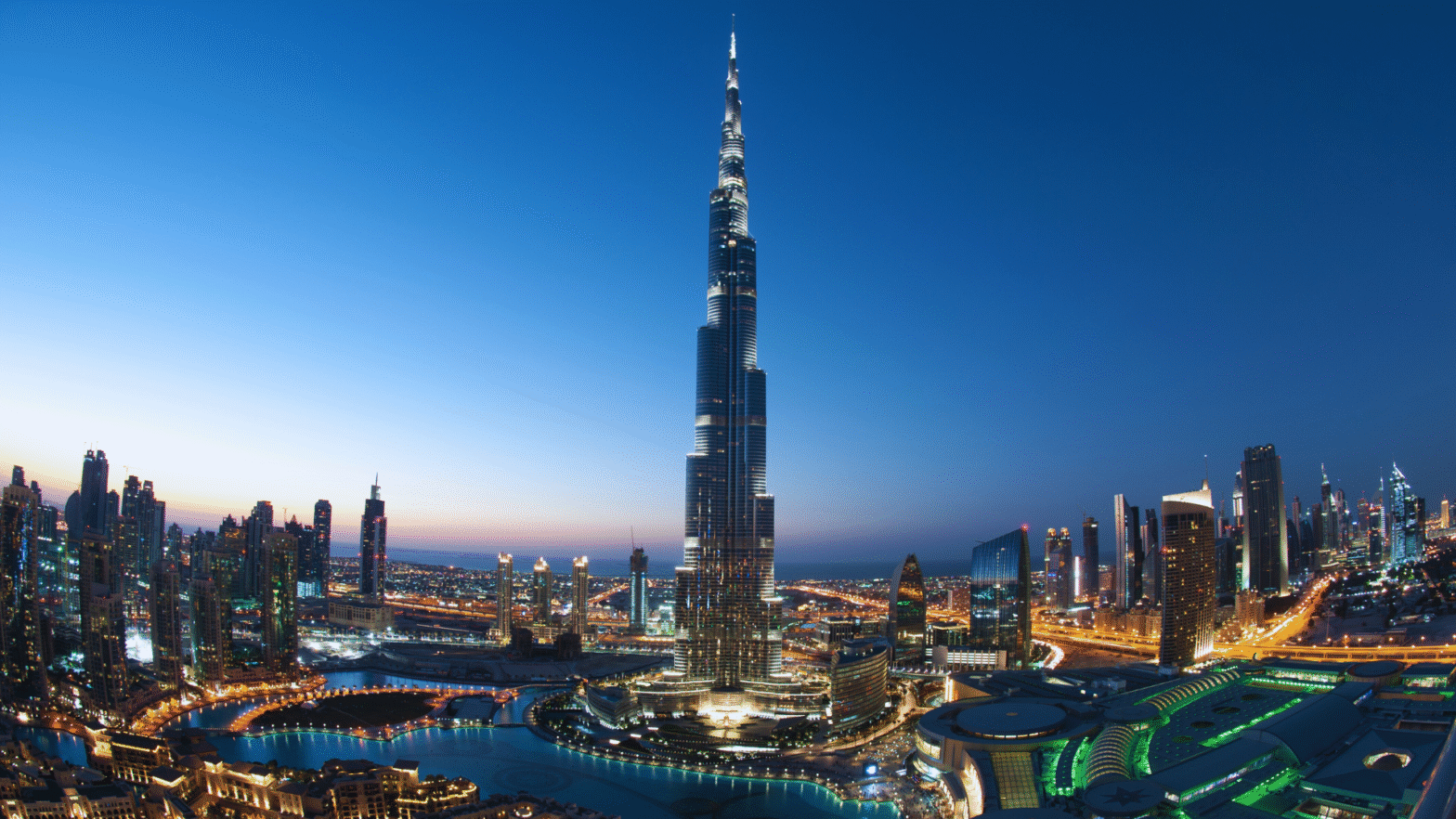
Dubai’s skyline showcases modern architecture and innovation. The Burj Khalifa, currently the tallest building in the world at 2,722 feet, dominates the skyline. Its glass facade reflects the spirit of contemporary design.
Nearby, the Cayan Tower twists 90 degrees, exemplifying unique architectural angles. The Emirates Towers and Dubai Mall further contribute to the city’s modern urban landscape. Combined, these structures represent Dubai’s rapid transformation into a global financial hub.
Shanghai and Hong Kong: Asian Skylines Redefined
Shanghai features the Shanghai Tower, which reaches 2,073 feet, making it the tallest building in China. The Pudong District is home to modern skyscrapers that define the city’s skyline. The contrasting styles of the Shanghai World Financial Center and Oriental Pearl Tower showcase the city’s diversity.
In Hong Kong, the International Commerce Centre stands out as a dominant feature. The skyline is further enriched by natural elements, such as Victoria Harbour, which enhances the architectural beauty. Together, Shanghai and Hong Kong redefined the skyscraper aesthetic in Asia.
London: A Blend of Tradition and Innovation
London’s skyline marries historical landmarks with modern architecture. The Shard, rising to 1,016 feet, is a striking addition to the city’s landscape. Its glass exterior reflects both the past and the future of London.
Big Ben, the Gherkin, and Tower Bridge showcase the city’s history and architectural diversity, while the London Eye offers panoramic views of these iconic structures. For visitors exploring these famous sights, staying in a well-connected location such as Lion and Key London (or elsewhere) can make discovering different parts of the city far more convenient and enjoyable. The River Thames weaves through the city, further enhancing its visual appeal and bringing together London’s rich heritage and modern character.
Other Breathtaking City Skylines Around the Globe
Several cities around the world showcase remarkable skylines characterized by iconic architecture and stunning landscapes. These skylines reflect both cultural heritage and modern innovation. Below are some of the most breathtaking examples.
Sydney’s Harbor and Opera House
Sydney’s skyline is dominated by the stunning Sydney Opera House, renowned for its unique shell-like design. This architectural masterpiece sits gracefully on Sydney Harbour, contributing to the city’s picturesque waterfront.
The Sydney Tower Eye, standing at 309 meters, offers panoramic views of the surrounding area. This combination of natural beauty and striking structures, such as the Harbour Bridge, creates a vibrant urban landscape. Visitors can enjoy scenic ferries that glide across the harbor, enhancing the city’s allure.
Toronto’s Waterfront Vista
Toronto’s skyline features the iconic CN Tower, which was once the world’s tallest freestanding structure. At 553 meters, this tower offers visitors breathtaking views of the city and Lake Ontario.
Many people who visit the CN Tower look down at the residential buildings along the lake. These condos and townhomes are a large part of the local housing market. People often move to this area to be close to work and the water.
If someone wants to live here, it helps to understand the current trends in toronto on real estate before starting the search. The market changes fast as new developments go up every year. This growth makes the city look different than it did just a decade ago.
The waterfront area is also filled with charming neighborhoods. This blend showcases Toronto’s multicultural essence, with structures like the Rogers Centre adding to its dynamic skyline. Outdoor spaces along the waterfront invite locals and tourists to unwind while enjoying impressive views of the city.
Kuala Lumpur’s Futuristic Twin Towers
The Petronas Twin Towers are a hallmark of Kuala Lumpur’s skyline, soaring to a height of 452 meters. These towers, connected by a sky bridge, reflect Malaysia’s modernity and ambition.
The surrounding area is equally impressive, with the KL Tower adding to the skyline’s height. Visitors can explore the lush greenery of nearby parks, creating a contrast with the urban environment. The juxtaposition of nature and modern architecture makes Kuala Lumpur a standout destination.
Iconic Skylines in Latin America and Beyond
Latin America boasts several striking skylines, including that of Rio de Janeiro. The view from Sugarloaf Mountain is breathtaking, with Christ the Redeemer overlooking the city.
Other notable skylines include those of São Paulo and Buenos Aires, each featuring a mix of historical and contemporary buildings. These cities reflect rich cultural histories paired with urban growth. The unique landscapes enhance the beauty of these skylines, creating memorable vistas that captivate visitors.
Skylines Shaped by Landmarks and Culture
City skylines are often defined by their iconic landmarks and cultural significance. These structures not only serve as focal points for their cities but also reflect the history and identity of the places they inhabit.
Paris: The Timeless Eiffel Tower
The Eiffel Tower stands as a symbol of Paris and French culture. Constructed in 1889 for the Exposition Universelle, its iron lattice design captures the essence of innovation. Towering at 1,083 feet, it dominates the Parisian skyline and draws millions of visitors each year.
Located on the Champ de Mars, the tower offers sweeping views of the city. Nearby, the Seine River flows, further enhancing the scenic landscape. Paris’s skyline incorporates historic architecture, such as the Notre-Dame Cathedral and the Louvre, creating a unique blend of the old and new.
Seattle’s Panoramic Vista
Seattle’s skyline is notable for its combination of natural beauty and iconic architecture. The Space Needle, built for the 1962 World’s Fair, reaches 605 feet high, providing panoramic views of the city and surrounding mountains. Its futuristic design reflects the city’s innovative spirit.
In the backdrop, the Cascade and Olympic Mountains frame the skyline. The waterfront, marked by the Great Wheel and Pike Place Market, adds to its charm. Seattle’s cultural significance is also highlighted by its deep ties to the tech industry.
Istanbul’s Historic Architectural Profile
Istanbul is characterized by a skyline that blends the ancient and modern. The Hagia Sophia, originally a church and later a mosque, is a masterpiece of Byzantine architecture. Its massive dome has inspired countless structures throughout the centuries.
Close by, the Blue Mosque with its six minarets complements the silhouette of the city. The Bosphorus Strait adds to the city’s vibrant atmosphere, connecting Europe and Asia. This fusion of landmarks creates a distinctive profile that reflects Istanbul’s rich cultural heritage.
Spectacular Skylines of the Asia-Pacific
The Asia-Pacific region boasts some of the most impressive skylines in the world. Taipei 101 in Taiwan was the tallest building globally when it was completed in 2004. Its design symbolizes a bamboo shoot, representing growth and prosperity.
Singapore’s Marina Bay Sands is another notable structure, characterized by its unique three-tower design topped with an expansive sky park. This landmark embodies modern architectural innovation and tourism. Vancouver also contributes to the skyline narrative with a backdrop of mountains and a waterfront skyline that features the iconic Canada Place.