
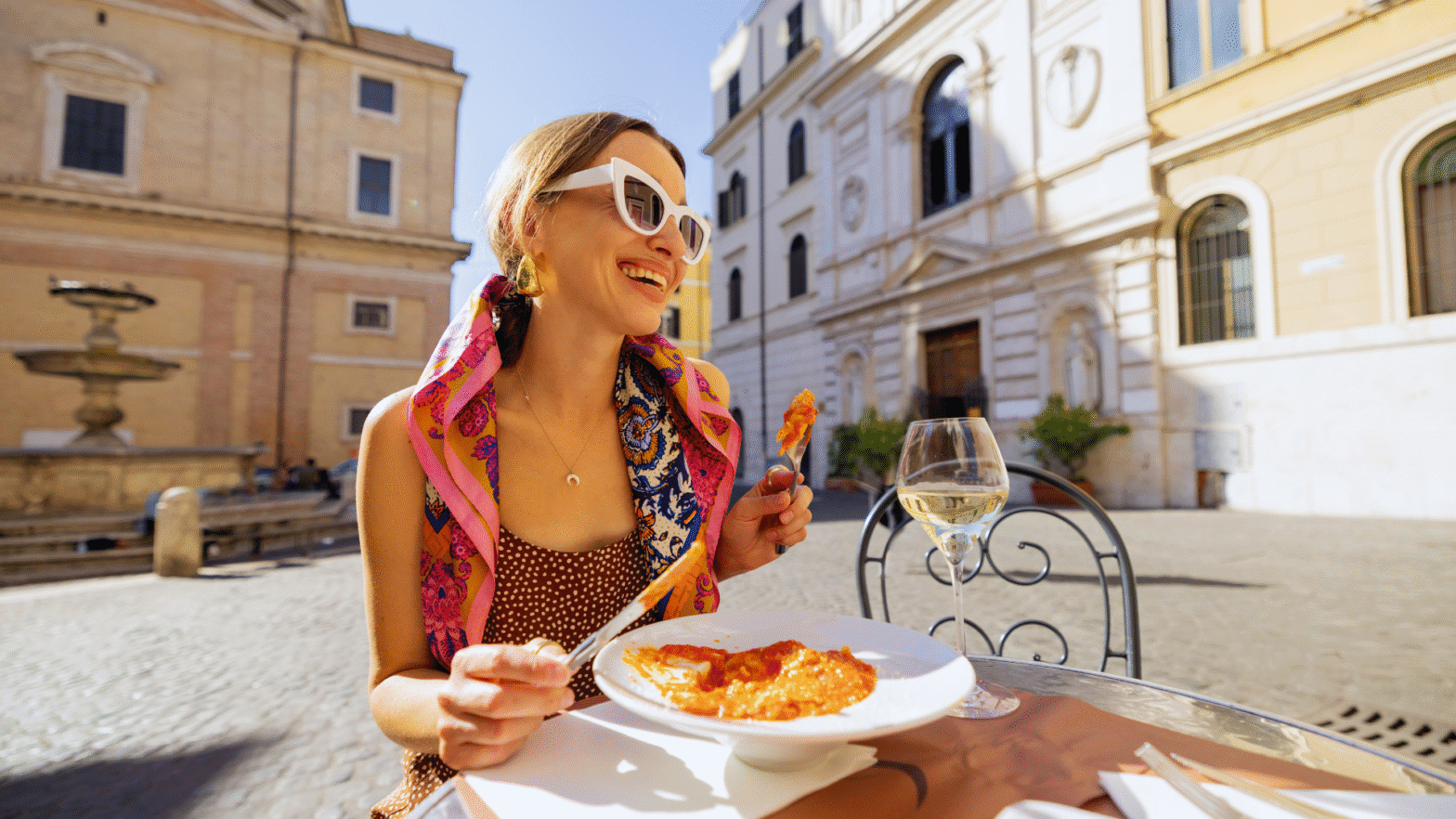
Italy offers a myriad of unique food experiences that elevate its renowned culinary traditions. Travelers can immerse themselves in local cuisine by participating in cooking classes, enjoying regional wine tastings, and exploring vibrant markets. Each region boasts its own authentic Italian dishes that reflect its history and culture, ensuring that visitors savor the true essence of Italy.
Exploring street food in cities like Palermo and Naples reveals another layer of Italy’s culinary landscape. Sampling arancini, porchetta, or pizza al taglio provides insight into everyday dining that locals enjoy. Traditional trattorias and agriturismos offer a chance to indulge in home-cooked meals made with fresh, locally sourced ingredients.
For those seeking memorable dining experiences, a slow food meal in a rustic countryside setting or a seafood feast along the Amalfi Coast captures the heart of Italian hospitality. Engaging with chefs and locals enhances the journey, making each meal an opportunity to connect with the rich tapestry of Italian culture.
Exploring Italy Through Iconic Local Dishes
Italy’s culinary landscape is rich and diverse, offering travelers a chance to enjoy authentic flavors that reflect the country’s regional heritage. From the iconic Neapolitan pizza to handmade pasta dishes, every bite tells a story. This experience highlights the vibrancy and depth of Italian cuisine.
Authentic Pizza in Naples
Naples, the birthplace of pizza, is where one can find true pizza napoletana. Characterized by its soft and chewy crust, this pizza is typically topped with quality ingredients like San Marzano tomatoes and mozzarella di bufala.
Another beloved variation is pizza fritta, a deep-fried version filled with savory ingredients. Visiting Naples offers the chance to understand the artistry behind the preparation and the use of local products.
Pizza in Naples isn’t just food; it’s a cultural experience, often enjoyed in bustling pizzerias filled with locals and tourists alike.
Handmade Pasta and Regional Specialties
Italy’s pasta is renowned worldwide, but the handmade varieties found in different regions are particularly special. In Rome, one must try spaghetti alla carbonara, made with eggs, cheese, guanciale, and pepper.
Another Roman classic is amatriciana, which combines tomato sauce with guanciale and pecorino cheese. In the coastal regions, seafood pasta like spaghetti alle vongole highlights the use of fresh, local produce.
For those venturing north, risotto alla milanese offers a creamy texture enhanced by saffron, showcasing Milan’s culinary identity. Each dish represents traditional recipes passed down through generations, reflecting local flavors and customs.
Florentine Bistecca and Tuscan Flavors
Florence is famous for its bistecca alla fiorentina, a thick T-bone steak grilled to perfection and typically served rare. The meat comes from local Chianina cattle, raising the standard for quality.
Wine enthusiasts might pair this iconic dish with a glass of Chianti, a red wine that complements the rich flavors of the steak.
Tuscan cuisine embraces simplicity and quality, often featuring fresh vegetables, olive oil, and artisan breads. A visit to Florence provides an opportunity to savor these traditional flavors while exploring the local food markets.
Traditional Italian Sweets and Desserts
Italy’s dessert scene is enchanting, with options like gelato and tiramisu showcasing the country’s sweet artistry. Authentic gelato, often made with local ingredients, provides a refreshing treat.
Tiramisu, a layered dessert of coffee-soaked ladyfingers, mascarpone, and cocoa, is a must-try specialty.
Each region has its own celebratory sweet, with treats like panettone in Milan or cannoli in Sicily. Indulging in these desserts allows one to appreciate the intricate flavors and textures that Italian cuisine offers.
Immersive Food Adventures and Culinary Activities
Italy offers a variety of immersive food experiences that allow travelers to explore its rich culinary traditions. From sampling local street food to participating in hands-on cooking classes, each adventure provides a deeper understanding of Italian food culture.
Street Food Safaris Across Italy
Street food in Italy showcases the diverse flavors of its regions. In Palermo, food lovers can try supplì, risotto balls filled with mozzarella, while Venice offers cicchetti, small tapas-like dishes showcasing local ingredients.
Travelers can join guided street food safaris that lead them through the bustling markets and vibrant neighborhoods. These tours often include tastings of regional specialties and insights into the culinary history and techniques that define Italian street food.
Highlights:
- Palermo: Taste the famous arancini and panelle.
- Venice: Enjoy cicchetti paired with local wines.
- Trastevere: Experience rustic Roman fare from street vendors.
Guided Food and Gourmet Tours
Guided food tours present a curated experience of Italy’s culinary landscape. Participants visit local markets, artisan shops, and family-run restaurants, enjoying tastings of authentic dishes along the way.
In the Veneto region, visitors can taste Prosecco and sample regional cheeses while exploring the intricate food traditions that have evolved over centuries. These tours often focus on local produce, enabling participants to appreciate how terroir influences flavor.
Key Features:
- Local experts provide insights into cooking techniques and traditions.
- Tasting opportunities range from cheeses to artisan breads.
- Some tours may include wine pairings to enhance the dining experience.
Hands-On Cooking Classes
Cooking classes in Italy offer an engaging way to learn traditional recipes and culinary techniques. Aspiring chefs can experience the joy of preparing dishes like pasta or risotto using fresh, local ingredients.
Many classes are held in professional kitchens or authentic home settings, providing an intimate atmosphere. Participants are guided by chefs who share their expertise and passion for Italian cuisine.
Class Details:
- Recipes often include regional specialties tailored to local traditions.
- Participants can enjoy the meal they’ve prepared, enhancing the overall experience.
- Some classes may also cover topics like wine pairing or ingredient sourcing.
Unique Tasting Experiences and Regional Specialties
Italy offers a wealth of unique tasting experiences that highlight its rich culinary heritage. From carefully crafted wines to exquisite olive oils and the thrill of foraging for truffles, each experience provides insight into local traditions and flavors.
Wine, Prosecco, and Vineyard Tours
Italy is renowned for its wine, featuring various regions, each with distinct characteristics. Visitors can embark on vineyard tours in regions like Chianti and Orvieto, where they learn about the winemaking process. Many vineyards offer tastings of local varieties, such as Sangiovese and Trebbiano.
Prosecco tours in the Veneto region are particularly popular. Guests can sip on this sparkling wine while enjoying beautiful vineyard views. Educational sessions often cover the traditional methods of crafting Prosecco, providing a comprehensive understanding of this beloved drink.
Olive Oil and Balsamic Vinegar Tastings
Exploring Italy’s olive oil and balsamic vinegar adds another layer to the tasting experience. Regions like Tuscany and Emilia-Romagna are known for their high-quality extra virgin olive oil. Tastings in these areas allow individuals to sample different oils, learning to identify flavors ranging from fruity to peppery.
Balsamic vinegar, particularly from Modena, offers a unique tasting adventure. Known for its rich and complex flavor, authentic balsamic vinegar must be aged for years. Tastings often include pairing it with local cheeses and meats, showcasing its versatility.
Truffle Hunting and Foraged Delicacies
Truffle hunting is an exciting way to experience Italy’s rich natural offerings. Regions like the Italian Alps and Piedmont are famous for their truffles. Guided hunts provide participants with the chance to search for these delicacies alongside trained dogs.
Many tours also include tastings of dishes featuring fresh truffles. This experience allows individuals to taste dishes crafted with locally sourced ingredients, connecting them more deeply to Italy’s culinary culture. Engaging in foraging enriches the understanding of Italy’s gourmet experiences.
Savoring Italy’s Culinary Lifestyle
Italy’s culinary lifestyle offers immersive experiences through rituals and local markets. Embracing these traditions enhances the journey and reveals the heart of Italian food culture.
Aperitivo and Digestivo Rituals
The aperitivo tradition precedes dinner, inviting people to unwind and socialize. Typically enjoyed in the early evening, this ritual features drinks such as Campari or Aperol Spritz, often paired with light snacks like olives, cheese, or crostini.
Cities like Venice and Florence excel in offering a vibrant aperitivo scene. These gatherings create a relaxed atmosphere for locals and visitors alike.
Post-meal, the digestivo serves to aid digestion. Drinks like grappa or limoncello are commonly enjoyed. This dual experience enriches diners’ interactions with authentic cuisine, allowing them to savor flavors while connecting with Italian traditions.
Exploring Food Markets and Local Produce
Visiting local markets reveals the essence of regional cuisine. The Rialto Market in Venice is notable for its fresh seafood and vibrant produce. Merchants offer seasonal fruits and vegetables, providing insight into local eating habits.
Street food is another integral part of this exploration. Dishes like arancini and porchetta showcase traditional flavors in a casual setting.
Engaging with local producers enhances the culinary adventure. Farmers’ markets often feature artisanal cheeses and cured meats, fostering a deeper connection to Italy’s food culture. Exploring these markets allows travelers to appreciate the vibrant colors, tastes, and aromas of Italy’s diverse culinary landscape.